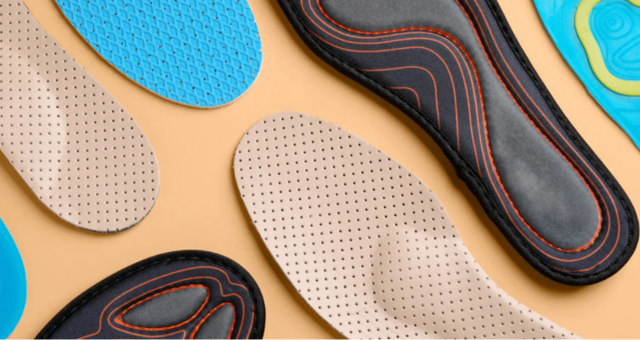
Managing diabetes requires careful attention to foot health. People living with diabetes often face challenges such as neuropathy, reduced sensation, and poor circulation—all of which increase the risk of serious foot complications. One effective way to protect your feet and improve daily comfort is by using diabetic insoles. Below, we explore what diabetic insoles are, how they work, and why they are an essential tool for long-term foot care.
What Are Diabetic Insoles?
Diabetic insoles are specially designed shoe inserts that provide additional cushioning, stability, and support for individuals with diabetes. Made from pressure-relieving and shock-absorbing materials, these insoles help:
Reduce pressure on vulnerable areas
Prevent blisters, calluses, and skin breakdown
Improve overall foot alignment
Support better weight distribution
By offering enhanced comfort and protection, diabetic insoles are ideal for people who spend long hours standing or walking.
Key Benefits of Diabetic Insoles
Diabetic insoles can play a major role in preventing foot ulcers and other common complications associated with diabetes. Their main benefits include improved pressure distribution, better alignment, moisture control, and temperature regulation.
1. Pressure Redistribution
One of the most important advantages of diabetic insoles is their ability to evenly distribute body weight across the foot. This reduces pressure points that can lead to ulcers, particularly in individuals with reduced sensation. By cushioning high-risk areas, the insoles help minimize friction and skin irritation.
2. Shock Absorption
Diabetic insoles are constructed from materials that absorb and reduce impact while walking. This added protection is crucial for people with neuropathy, who may not feel injuries that can quickly worsen without treatment.
3. Improved Foot Alignment
Improper foot alignment can create abnormal pressure patterns, which may lead to calluses, corns, and ulcers. Diabetic insoles help correct alignment issues, promoting healthier foot mechanics and reducing stress on joints and soft tissues.
4. Moisture Control
Many diabetic insoles are made with moisture-wicking materials that keep the feet dry. Excess moisture increases the risk of fungal infections and skin breakdown. By maintaining a dry environment, these insoles help protect sensitive skin.
5. Temperature Regulation
Some diabetic insoles are designed to regulate temperature—helping feet stay warm in cold weather and cool in warm weather. This is especially helpful for individuals with poor circulation, who may be more sensitive to temperature extremes.
What Are Diabetic Shoes?
Diabetic shoes are specialized footwear created to address the unique needs of people with diabetes. They often come with built-in diabetic insoles and offer:
Extra depth and width
Seamless interiors to prevent rubbing
Adjustable closures for swelling or deformities
While diabetic shoes can be more expensive, many users find them worth the investment for the added comfort and protection. However, if you already have comfortable shoes, you can simply add standalone diabetic insoles for many of the same benefits.
Benefits of Diabetic Shoes
Compared to regular footwear, diabetic shoes provide superior cushioning, padding, and support. Standard shoes may lack the necessary shock absorption and pressure relief needed for individuals at risk of foot complications. Diabetic shoes are specifically designed to reduce friction, accommodate foot irregularities, and protect sensitive skin, making them a valuable option for long-term foot health.
The Bottom Line
Diabetic insoles are an essential tool for maintaining healthy feet and preventing complications related to diabetes. By supporting proper alignment, reducing pressure, and minimizing shock, these insoles help prevent ulcers and manage neuropathy symptoms.
Whether you choose diabetic shoes or simply insert diabetic insoles into your current footwear, adding these supports to your daily routine can significantly improve comfort and help protect your foot health over time. Speak with your healthcare provider to determine the best option for your individual needs.