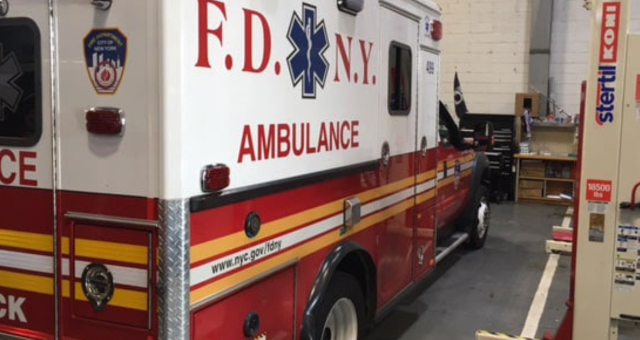
Emergency medical services in rural parts of New York are facing growing financial pressure, with providers warning that without additional funding, the system may begin to fail.
Rising Concerns Over EMS Sustainability
Ambulance operators from rural communities are calling on state officials, including Governor Kathy Hochul, to address serious funding shortages during ongoing budget discussions. Many providers say the current situation is unsustainable and threatens access to emergency care.
Since a large portion of New York’s counties are classified as rural, the issue affects a significant number of residents who rely on timely emergency services.
Costs Outpace Medicaid Payments
A key factor behind the crisis is the gap between actual service costs and reimbursement rates from Medicaid.
Average ambulance call cost: about $650
Typical Medicaid reimbursement: about $290
This imbalance forces EMS providers to operate at a loss when treating Medicaid patients, which make up a substantial portion of rural populations.
Policy Changes May Add More Pressure
Proposed changes in the state budget could further reduce funding by eliminating crossover payments for patients covered by Medicare.
Currently, Medicaid helps cover the remaining costs after Medicare payments. If removed, ambulance services would have to absorb even more unpaid expenses, worsening their financial position.
Local Funding Limitations
Rural municipalities also face restrictions due to New York’s 2% property tax cap, limiting their ability to increase funding for emergency services.
Although lawmakers previously supported a bill to exempt EMS costs from this cap, it was vetoed due to concerns about raising taxes for residents. As a result, local governments have limited options to financially support ambulance services.
Service Closures Already Happening
The financial strain is already impacting the system. Several EMS providers have shut down in recent years, and more closures may follow if funding issues remain unresolved.
Experts warn that delays in addressing the problem will lead to higher long-term costs and reduced emergency response capacity.
Impact on Communities
If the situation continues:
Response times may increase
Access to emergency care could decline
Rural communities may face higher health risks
Final Thoughts
New York’s rural ambulance services are under significant financial stress due to low reimbursement rates, policy limitations, and rising operational costs.
Without targeted support and policy adjustments, the stability of emergency medical services in rural areas may continue to deteriorate, affecting both patients and healthcare infrastructure.