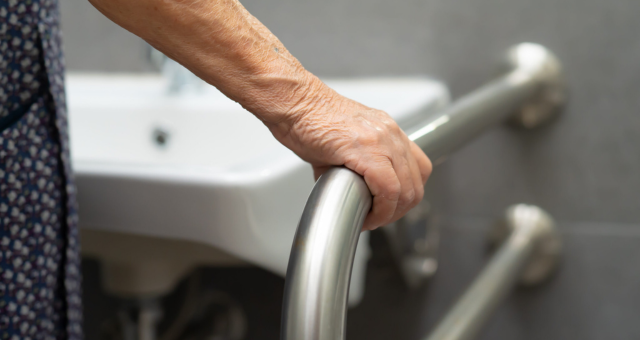
Each year, about one in three adults over age 65 experiences a fall, according to the National Institute on Aging. With changes in balance, vision, and muscle strength, bathrooms can be especially dangerous for seniors. A simple fall can cause serious injuries and impact independence — but small home modifications can make a big difference in preventing accidents.
So, does Medicare help cover bathroom safety equipment like grab bars or shower chairs? Let’s take a closer look.
Key Takeaways
Original Medicare (Parts A & B) usually does not cover bathroom safety equipment such as grab bars, shower chairs, or raised toilet seats.
Medicare Advantage (Part C) plans may offer allowances that include these safety products, depending on the plan and region.
Veterans can apply for HISA grants, which may cover home modifications like bathroom accessibility upgrades.
Bathroom falls are one of the top causes of injury among older adults, making preventive safety devices essential for maintaining independence.
Does Original Medicare Cover Bathroom Safety Devices?
Unfortunately, Original Medicare rarely covers items like grab bars or shower chairs. These are considered convenience items, not “medically necessary” equipment under Medicare’s definition of Durable Medical Equipment (DME).
That means seniors typically need to pay out-of-pocket for home safety installations — even though these devices can prevent serious falls and injuries.
Medicare’s reasoning is that such items are classified as environmental modifications, not medical treatment tools. Understanding this distinction helps seniors and caregivers plan ahead and look for alternative funding options.
What Qualifies as Durable Medical Equipment (DME)?
Medicare Part B covers 80% of the cost for approved DME items, once the deductible is met. However, to qualify, equipment must meet five strict criteria. It must:
Serve a specific medical purpose (not just convenience)
Be used primarily in the home
Be of little use to someone who isn’t ill or injured
Last at least three years
Be reusable, not disposable
In addition, the item must be prescribed by a Medicare-participating physician and purchased from a Medicare-approved supplier.
What Bathroom Devices Might Medicare Cover?
There is one common exception: bedside commodes.
If a patient cannot safely reach or use a standard toilet, Medicare may cover the cost of a bedside commode when prescribed by a doctor.
Walk-in tubs may occasionally be covered under certain Medicare Advantage plans if a doctor certifies medical necessity — but Original Medicare generally does not cover them.
How Medicare Advantage (Part C) Plans Differ
Medicare Advantage plans offer more flexibility and may include extra benefits like coverage for bathroom safety devices.
Many plans provide Over-the-Counter (OTC) allowances, which members can use to purchase items such as:
Grab bars
Shower chairs
Raised toilet seats
Bath mats and other safety devices
The amount of this allowance varies by plan and region — sometimes offering several hundred dollars per year for qualifying items.
Always review your plan’s details or call your provider directly to confirm which safety products are included.
Veterans’ Option: HISA Grants for Home Modifications
Veterans may qualify for the Home Improvements and Structural Alterations (HISA) program through the VA. This grant covers bathroom accessibility upgrades and other home modifications.
Up to $6,800 for veterans with service-connected disabilities
Up to $2,000 for certain non-service-connected conditions
Covered modifications may include:
Installing grab bars and roll-in showers
Widening doors for wheelchair access
Adjusting sink and counter heights
Improving ramps and bathroom entryways
A VA physician must verify medical necessity for approval.
Why Bathroom Safety Matters
Every year, more than 230,000 Americans are injured in bathroom-related accidents. Falls are the leading cause of injury among older adults, often resulting in costly hospitalizations and long recovery times.
Wet surfaces, tight spaces, and hard fixtures make bathrooms especially risky. Yet preventive devices — while not always covered — are proven to reduce fall risks dramatically.
Investing in bathroom safety modifications can save money and lives by reducing hospital visits and helping seniors live independently for longer.
Finding Financial Help for Bathroom Safety Equipment
Because Original Medicare coverage is limited, it’s smart to explore other funding options:
Medicare Advantage plans with OTC benefits
Veterans’ HISA grants
State and local programs that offer low-interest loans or home modification grants
Nonprofit organizations supporting senior safety
Check with your local Area Agency on Aging for available resources.
Bottom Line
While Original Medicare rarely covers bathroom safety devices, options exist. Medicare Advantage plans, veterans’ programs, and community grants can help fill the gap.
Investing in grab bars, shower chairs, or other safety tools is not just about convenience — it’s about preserving independence, dignity, and safety at home.