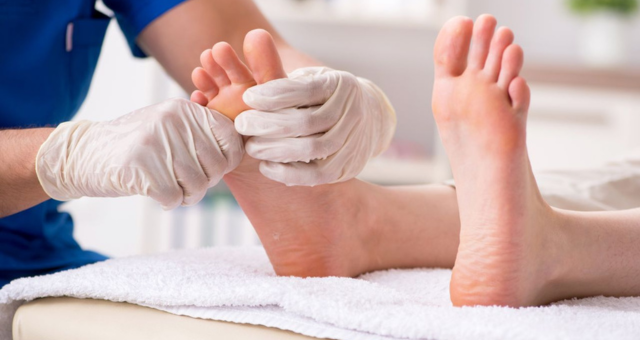
People living with diabetes face a higher risk of developing foot complications due to nerve damage and reduced circulation. When left untreated, minor injuries can quickly progress into serious conditions such as infections or diabetic foot ulcers that are slow to heal. Practicing proper diabetic foot care is critical for maintaining foot health and preventing long-term complications.
This guide covers common diabetic foot problems and practical, everyday tips to help keep your feet healthy and protected.
Common Diabetic Foot Problems
Understanding the most common diabetic foot conditions can help reduce the risk of complications.
Diabetic Neuropathy (Nerve Damage)
Diabetic neuropathy is a leading cause of foot problems in people with diabetes. Symptoms may include numbness, tingling, burning pain, or weakness in the feet. Because sensation is reduced, injuries such as cuts, blisters, or pressure sores may go unnoticed and worsen over time.
Poor Blood Circulation in the Feet
Diabetes can impair blood flow, making it difficult for wounds to heal. Poor circulation increases the risk of infections and delays recovery from even small injuries.
Skin Changes and Diabetic Foot Ulcers
Dry, cracked, or peeling skin is common in diabetes. Corns and calluses can develop quickly, and diabetic foot ulcers often appear on pressure points like the ball of the foot or the big toe. Without proper care, these ulcers can become serious.
Daily Foot Care Tips for People with Diabetes
Consistent daily care is the foundation of effective foot care for diabetes. Follow these tips to protect your feet and reduce the risk of complications.
Inspect Your Feet Every Day
Check your feet daily for cuts, blisters, redness, swelling, or nail issues. Use a mirror to see the soles of your feet if needed. Contact a healthcare provider if you notice any changes.
Wash and Dry Feet Carefully
Wash your feet daily with mild soap and warm water. Dry them thoroughly, especially between the toes, to help prevent fungal infections.
Moisturize to Prevent Cracking
Apply moisturizer to your feet daily to prevent dryness and cracking. Avoid applying lotion between the toes, as excess moisture can promote infection.
Wear Clean, Dry Socks
Change socks daily or whenever they become damp. Wearing socks to bed may help keep feet warm if circulation is poor.
Trim Toenails Properly
Trim toenails straight across and avoid cutting them too short. Proper nail care reduces the risk of ingrown toenails and infections.
Never Walk Barefoot
Walking barefoot increases the risk of cuts and injuries. Always wear shoes or protective footwear, even indoors.
Avoid Heating Pads
Do not use heating pads or hot water bottles on your feet. Reduced sensation can lead to burns and worsen nerve damage.
Do Not Treat Corns or Calluses Yourself
Always seek professional treatment for corns or calluses. Self-treatment can lead to wounds and infections.
Avoid Smoking
Smoking restricts blood flow and worsens circulation in the feet, increasing the risk of complications.
Use Supportive Diabetic Insoles
Comfortable, well-fitted diabetic insoles help reduce pressure, friction, and the risk of blisters or sores. Look for insoles that provide full contact, cushioning, and support.
Schedule Regular Foot Exams
Routine foot exams with a healthcare provider or podiatrist help detect problems early and prevent serious complications.
Why Diabetic Foot Care Matters
Proper diabetic foot care helps prevent infections, ulcers, and amputations. Early detection, daily self-care, and appropriate footwear play a vital role in maintaining foot health and improving quality of life for people with diabetes.